Our philosophy
Our Alternative Education Philosophy: Self-Directed Learning for Teens
We’ve all believed school was essential. But the truth is learning is natural and school is optional. Teens come to believe they are able to learn anything at all.
What We Believe About Learning
Teens can be trusted to direct their own learning.
Wide Open Spaces is non-compulsory. Attending and taking part are always the teen’s choice. We believe that when teens choose what they learn, they’re more likely to care about it.
School isn’t working for every teen. There’s another way.
Our principles
Guiding Principles
The seven principles that inform our work at Wide Open Spaces are based on the work of North Star: Self-Directed Learning for Teens in Amherst, Massachusetts, and used with their permission.
01
Young people want to learn
Human beings are learning creatures. We don’t have to persuade babies to be curious or to want to understand the world around them. The same is true of teenagers. Rather than trying to motivate teenagers, we support their basic human drive to learn and grow. Where obstacles—internal or external—have gotten in the way of this intrinsic drive, we focus on helping teenagers overcome or remove these obstacles.
02
Learning happens everywhere
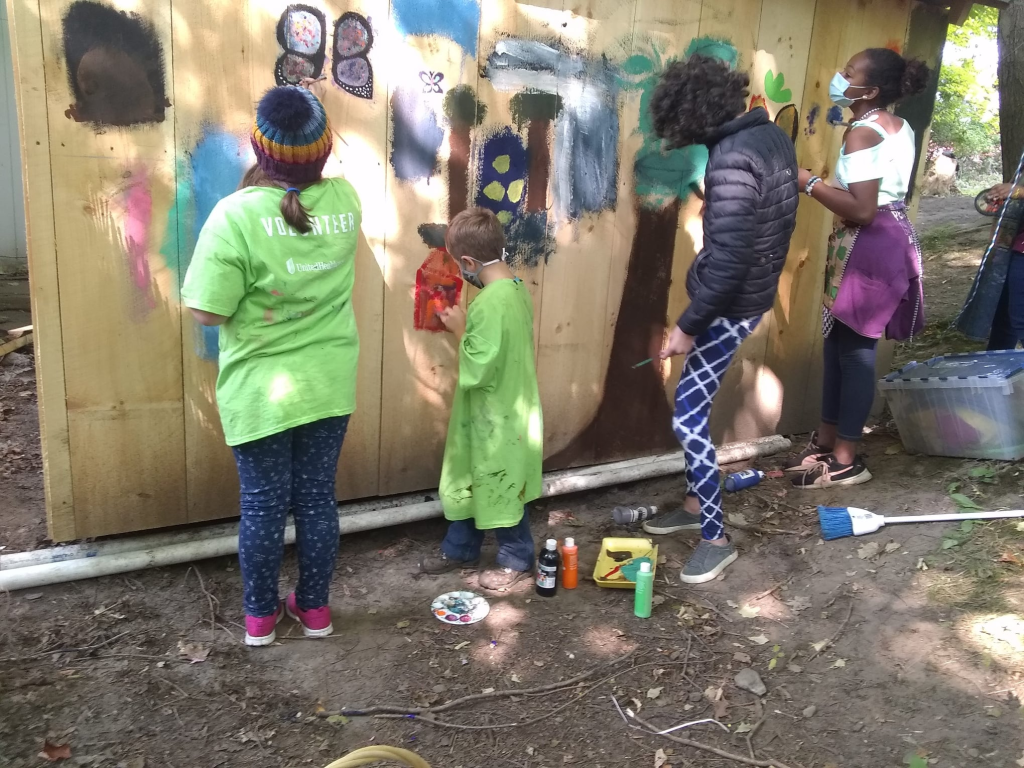
Conventional wisdom says that children “go to school to learn,” as though learning can only occur in places specially designed for that purpose. We believe that people learn all the time and in all kinds of places. It doesn’t have to look like school or feel like school to be valuable, and it’s not necessary to make distinctions between “schoolwork” and “your own hobbies” or “for credit” and “not for credit.” As one teenager who had recently left school observed, “Everything I do counts now.”
03
It really is okay to leave school
Many young people who are miserable in school—academically or socially—stay because they believe that leaving school will rule out (or at least diminish) the possibility of a successful future. We believe that young people can achieve a meaningful and successful adulthood without going to school. We’ve seen it happen, over and over again.
04
How people behave under one set of circumstances and assumptions does not predict how they will behave under a very different set of circumstances and assumptions
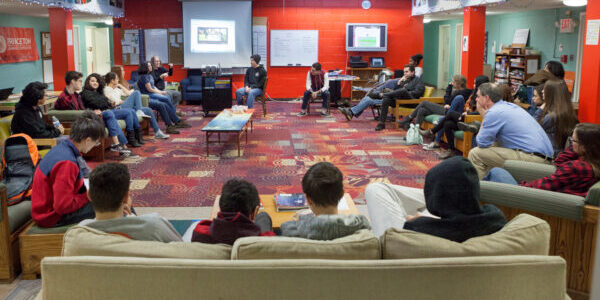
School success or failure is not necessarily a predictor of a child’s potential for success or failure outside of school. An unmotivated student may become enthusiastic and committed after she’s left school. A student who doesn’t thrive in a classroom environment may become successful when allowed to learn through apprenticeships or in one-on-one tutorials. When we change the approach, the structure, and the assumptions, all kinds of other changes often follow.
05
Structure communicates as powerfully as words, and often more powerfully
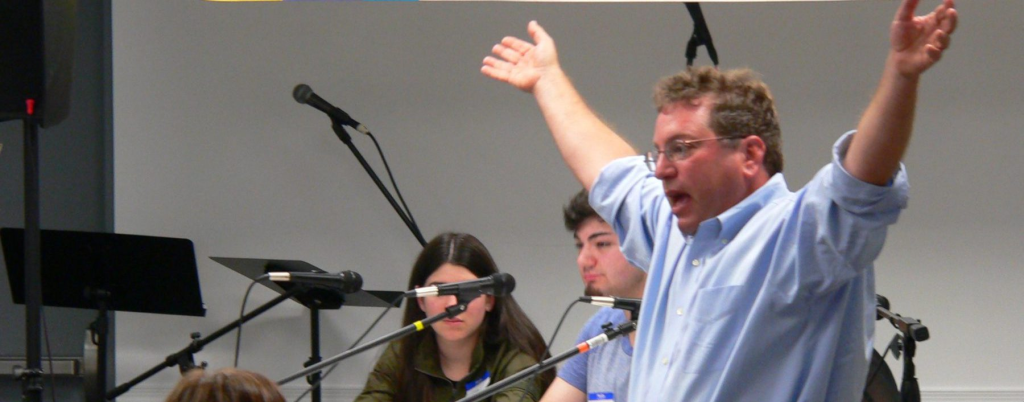
It’s not enough to tell kids that we want them to be self-motivated, or that we want them to value learning for its own sake, if the structure of their lives and their educations is actually communicating the opposite message. Voluntary—rather than compulsory—classes, the ability to choose what one studies rather than following a required curriculum, and the absence of tests and grades all contribute to a structure that supports and facilitates intrinsic motivation and self-directed learning.
06
As adults working with teens we should strive to "make possible" rather than "make sure"
Most of the time, we can’t truly make sure that young people learn any particular thing—learning just doesn’t work that way. A group of adults can decide that all fifth graders should learn fractions, but when it comes to each individual child’s genuine understanding and retention, we can’t actually make it happen or guarantee that it will happen. As adults, what we can do, however, is try to make things possible for young people—provide access, offer opportunity, figure out what kind of support will be most helpful, do whatever we can to help teens navigate the challenges and problems that arise.
07
The best preparation for a meaningful and productive future is a meaningful and productive present
Too often, education is thought of in terms of preparation: “Do this now, even if it doesn’t feel connected to your most pressing interests and concerns, because later on you’ll find it useful.” We believe that helping teenagers to figure out what seems interesting and worth doing right now, in their current lives, is also the best way to help them develop self-knowledge and experience at figuring out what kind of life they want and what they need to do or learn in order to create that life. In other words, it’s the best preparation for their futures.
Our Approach: The North Star / Liberated Learners Model
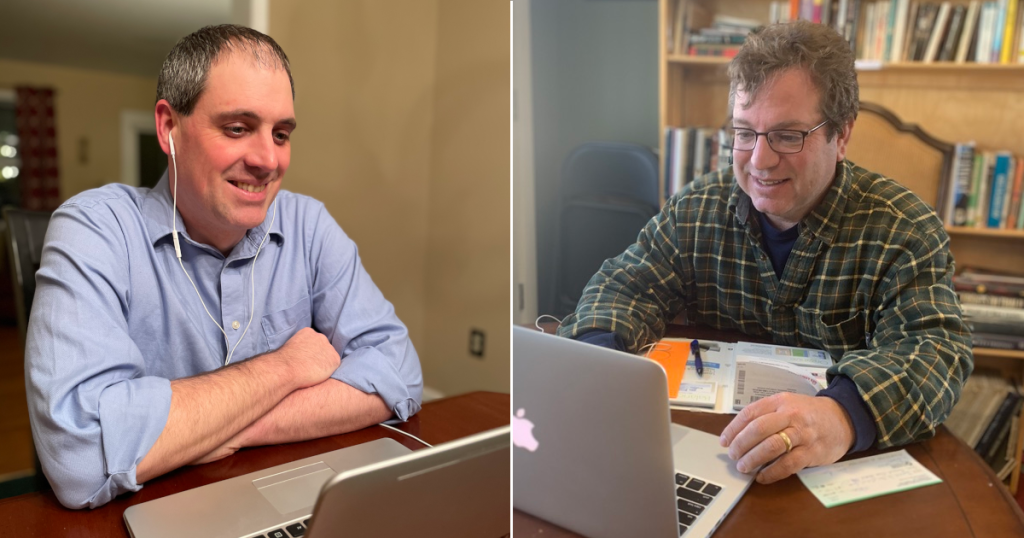
From the Liberated Learners network
We choose to base our approach on the North Star Teens model that has worked for over 30 years across North America and beyond. Founded in 1996 by Ken Danford and Joshua Hornick, the North Star model has worked for thousands of teens and their families to help them find and pursue their own paths to meaningful, successful lives.
Families join as members. Classes and other offerings are optional, so each teen can use the centre in the way that suits them.
How we operate
How our Learning Centre operates
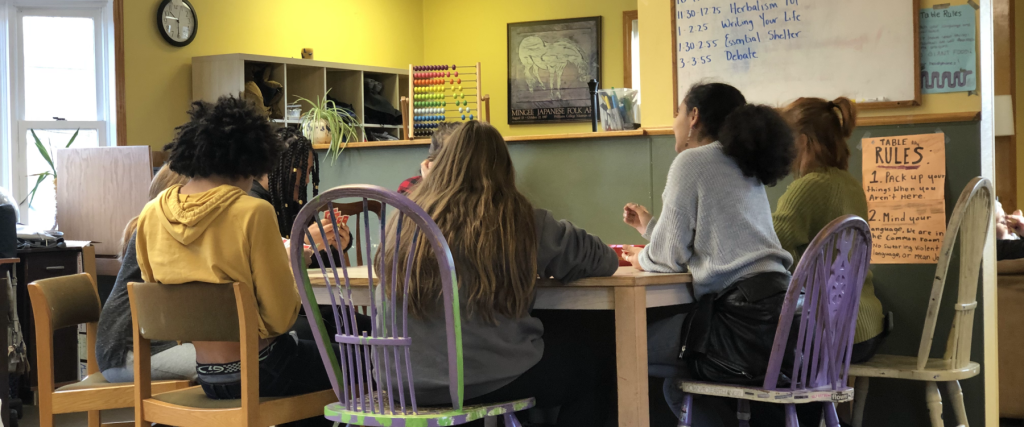
All Wide Open Spaces activities and attendance are strictly optional.
We’ve seen it countless times: when a teen finds their own interests and motivation, nothing can stop them from learning. Because mandatory classes and compulsory activities are obstacles to teens finding their interests and motivation, we keep all activities and attendance at Wide Open Spaces strictly optional. This creates the environment that teens need to discover who they are and what they want to wholeheartedly pursue.
In addition, most of the time, we can’t truly make sure that teens learn any particular thing—learning just doesn’t work that way. What we can do, however, is try to make things possible for teens—provide access, offer opportunity, figure out what kind of support will be most helpful, do whatever we can to help navigate the challenges and problems that arise.
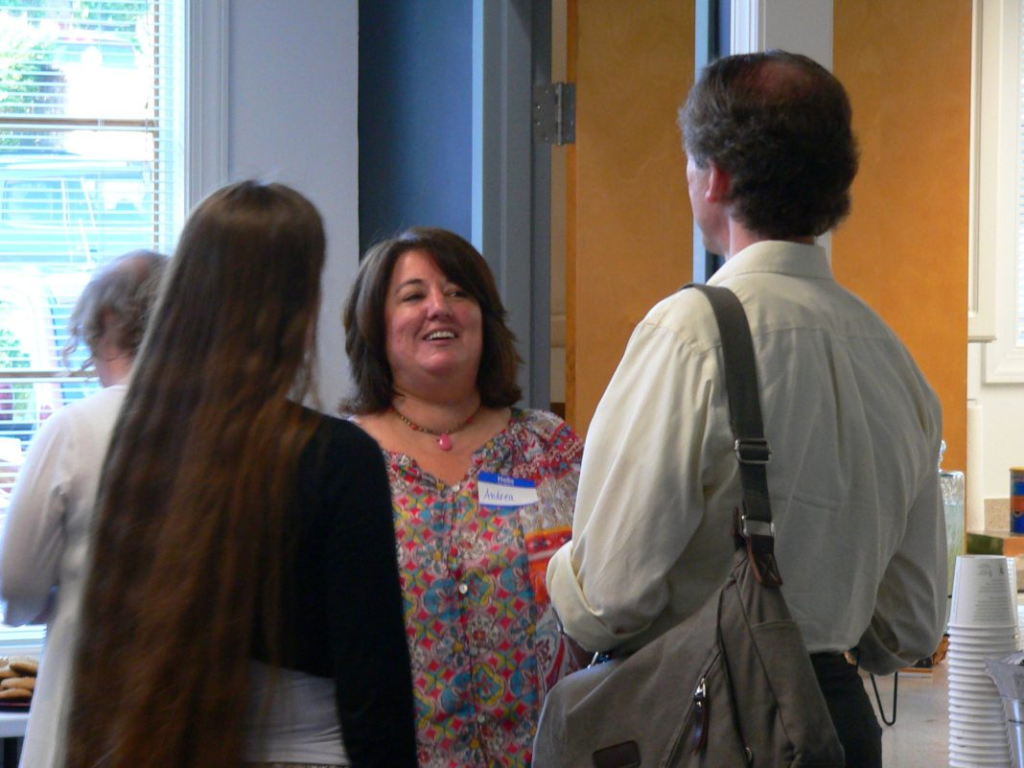
We maintain a welcoming, community space.
We all need in-person, face-to-face interactions to create the healthy, enduring relationships that we need in life. Teens especially so. Wide Open Spaces maintains such a space, open on a regular schedule, so that teens can participate directly in classes, workshops, tutorials and weekly check-ins with a mentor.
We also maintain this space so that families can visit and meet with staff on site to see and experience the Wide Open Spaces community first hand.
We still make use of all types of on-line resources and courses! But we don’t believe everything can be done on-line and we certainly believe in the necessity of in-person community and relationships to support teens in their work of creating meaningful, successful lives on their own terms.
Wide Open Spaces is not a school.
We are not an accredited school. We do not offer grades, credits, or diplomas, or require testing of our teens.
Many people recoil in horror and then ask, “But then, what do you do? How will teens learn anything at your centre??” Two responses come to mind.
First, teens—and all of us—already learn without all these things. Think of sports, where teens master all kinds of skills with the direction of a coach. Or playing music, where they take lessons from a teacher and play with peers in a band. Drama and dance are taught by teachers, so are karate and ju-jitsu, often with strict discipline. Part-time jobs involve learning all kinds of skills. Teachers are great, learning is great, and grades and credits often get in the way.
That said, academic studies are valuable too, which leads to…
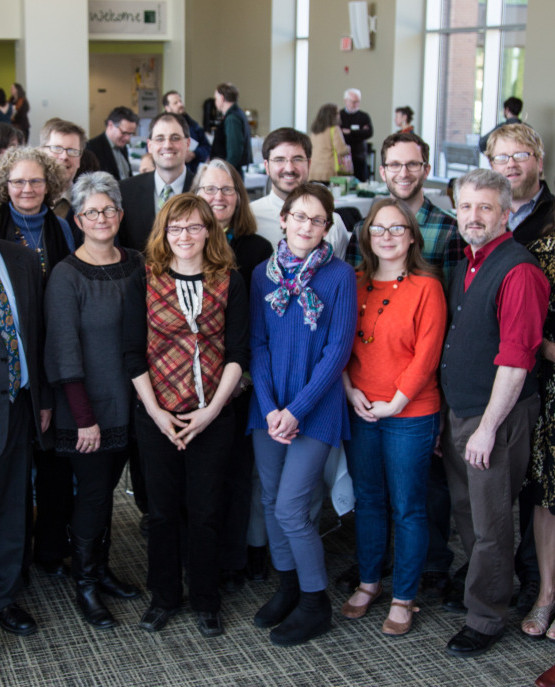
Wide Open Spaces is one step on your teen's journey
We are not the be all, end all. Our goal is to help your teen make the entire world a source of learning and opportunity to them. Many teens use centres like Wide Open Spaces for a few years before taking off on their own adventure, be it travel, work, study, or otherwise.
We help all our teens make the transition into what they want to do next.
Many go to post-secondary. This possibility is wide open to them. A high-school diploma is most often to enter post-secondary, but some class requirements are (such as English 30, Math 30, etc.). We work with teens to meet admissions requirements for the paths they want to pursue. We also help any teen who wants to get a high school diploma equivalent (now called the Canadian Adult Education Credential).
What Teens Gain: The Benefits of Alternative Education
Teens gain many of the same benefits that they would learning anywhere, by any means. But there are specific benefits to be had from a centre such as Wide Open Spaces.
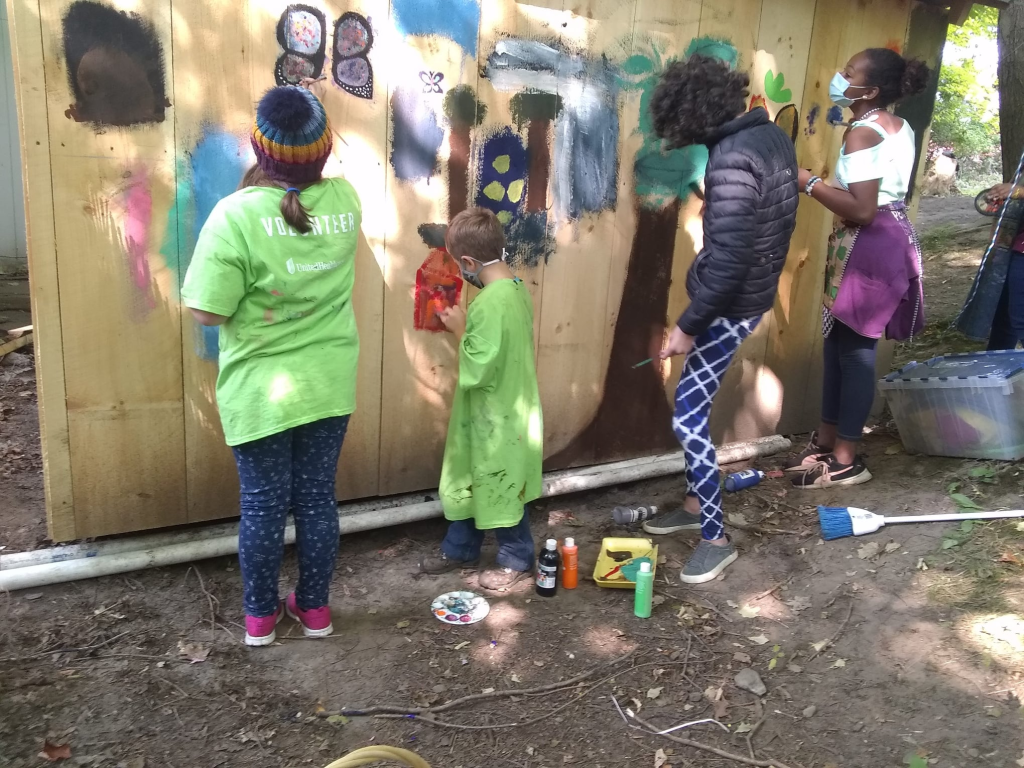
A strong sense of self
We make a priority of it at Wide Open Spaces to give teens the space and time and support they need to learn who they are. Perhaps paradoxically, this is hard to do alone. Having a community of peers and adults who value this lets teens discover many of the facets of themselves that make them who they are. This grounded sense of self is invaluable.
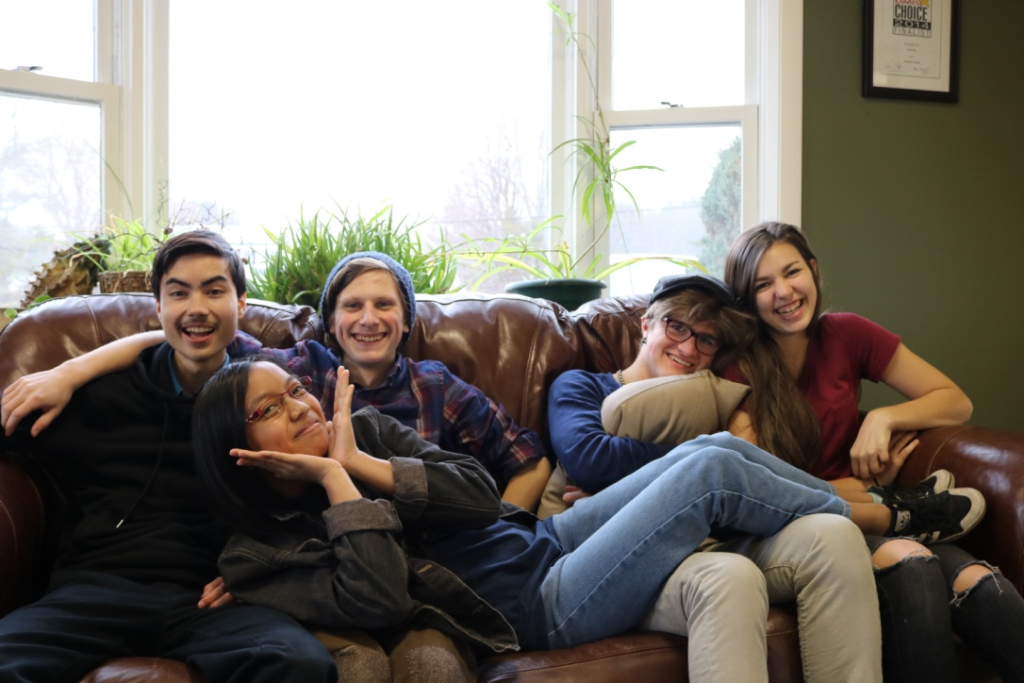
Confidence that has roots in personal experience
Conventionally, confidence often looks like bravado. But there’s a more grounded confidence that comes from trying, failing, trying again, succeeding, trying again, and repeating this over and over. Teens see that mistakes and failure are not the end of the line, but neither is success. They are all points on their own journey, which creates a confidence to face whatever comes next.
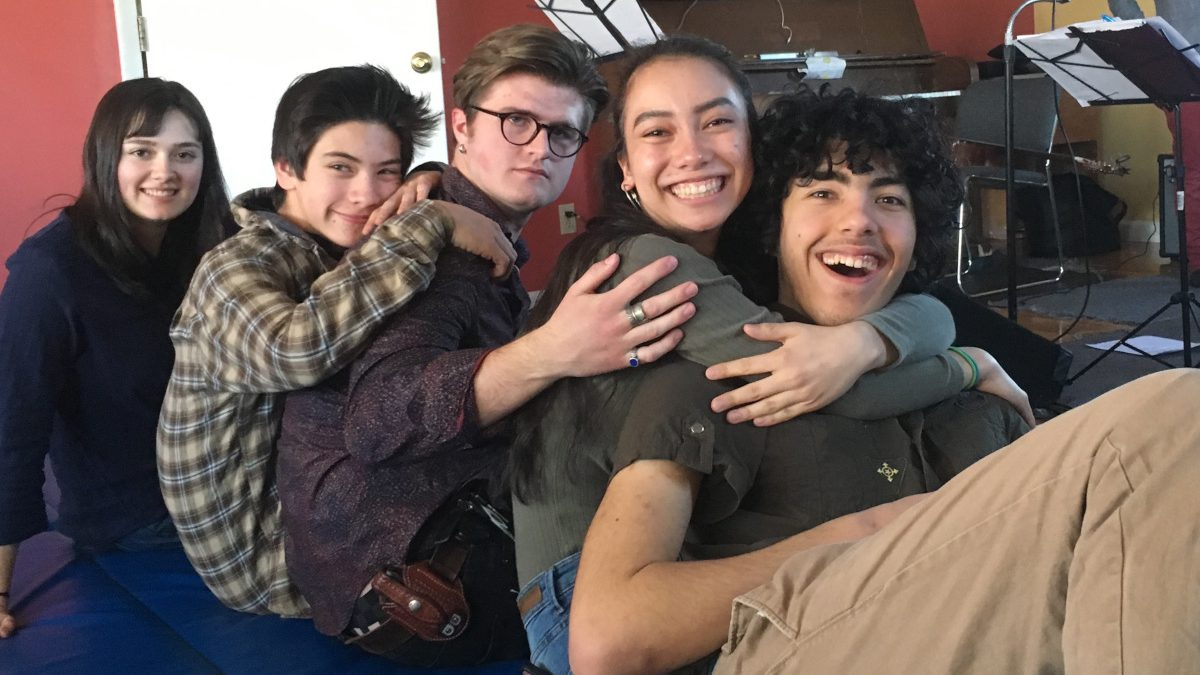
Discovering how they learn best
There are so many ways to learn. Oddly, we often don’t find out how we best learn ourselves, often because we are made to follow a standard path. At Wide Open Spaces, teens pursue their own paths, and they also pursue them in their own way, so that along the way they learn the modes and styles that work best for them. Knowing this, learning even difficult things becomes much easier and more enjoyable.
A sense of vast possibilities
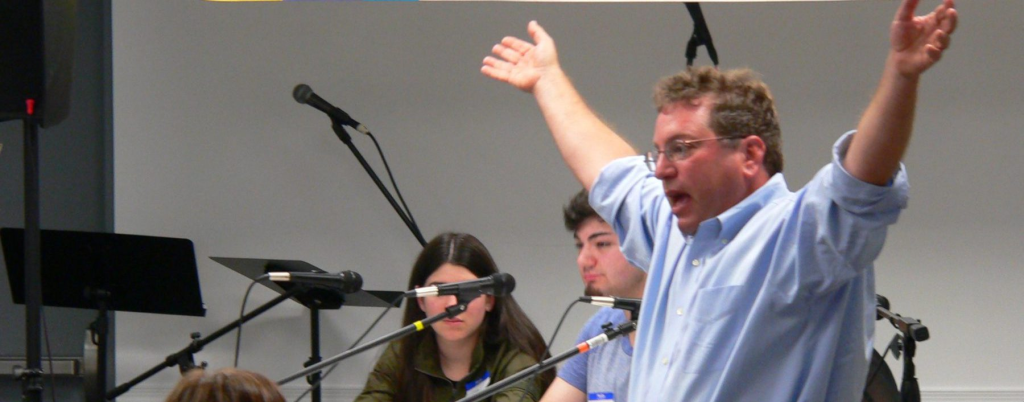
Conventionally, learning can feel like picking a category, and being confined to it: science, music, english. They world doesn’t abide by such categories and teens at Wide Open Spaces find that as their paths meander they cross in and out of all kinds previously fixed categories. The world opens up and as arbitrary boundaries fade possibilities begin to pop up everywhere for these teens.
Families and Community
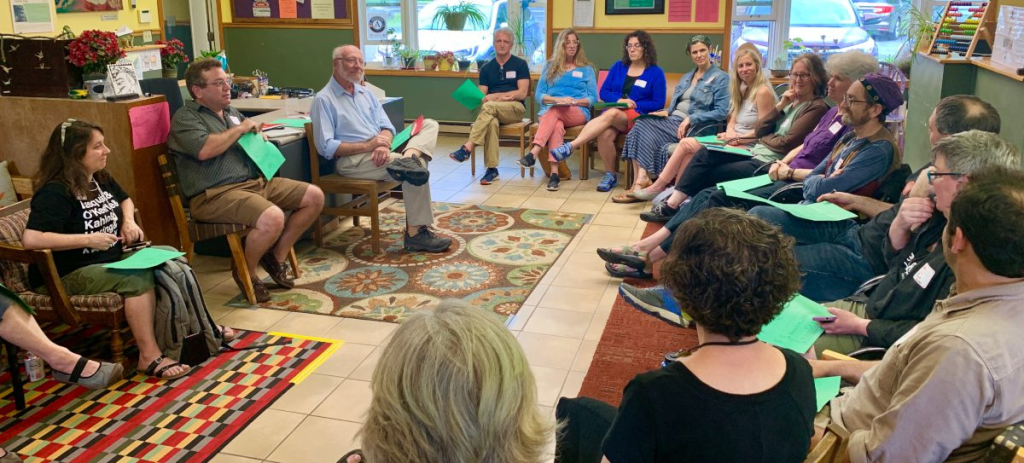
We meet with parents and their teens three times a year. The importance of family involvement in and support for teens cannot be overstated. We meet at the beginning and throughout the year formally to make sure to check in on this:
- how are parents feeling about their teen's learning?
- how is the teen?
- are everyone's expectations being met?
- are there sources of concern?
Shared expectations are essential amongst parents and teens. This is discussed in full before a teen joins Wide Open Spaces, and these meetings through the year are meant in large part to check in on these shared expectations.
We also regular communicate with parents via email, our website, and social media.
Inquire About Wide Open Spaces in Edmonton
See how it works day to day, or inquire and we’ll call you.